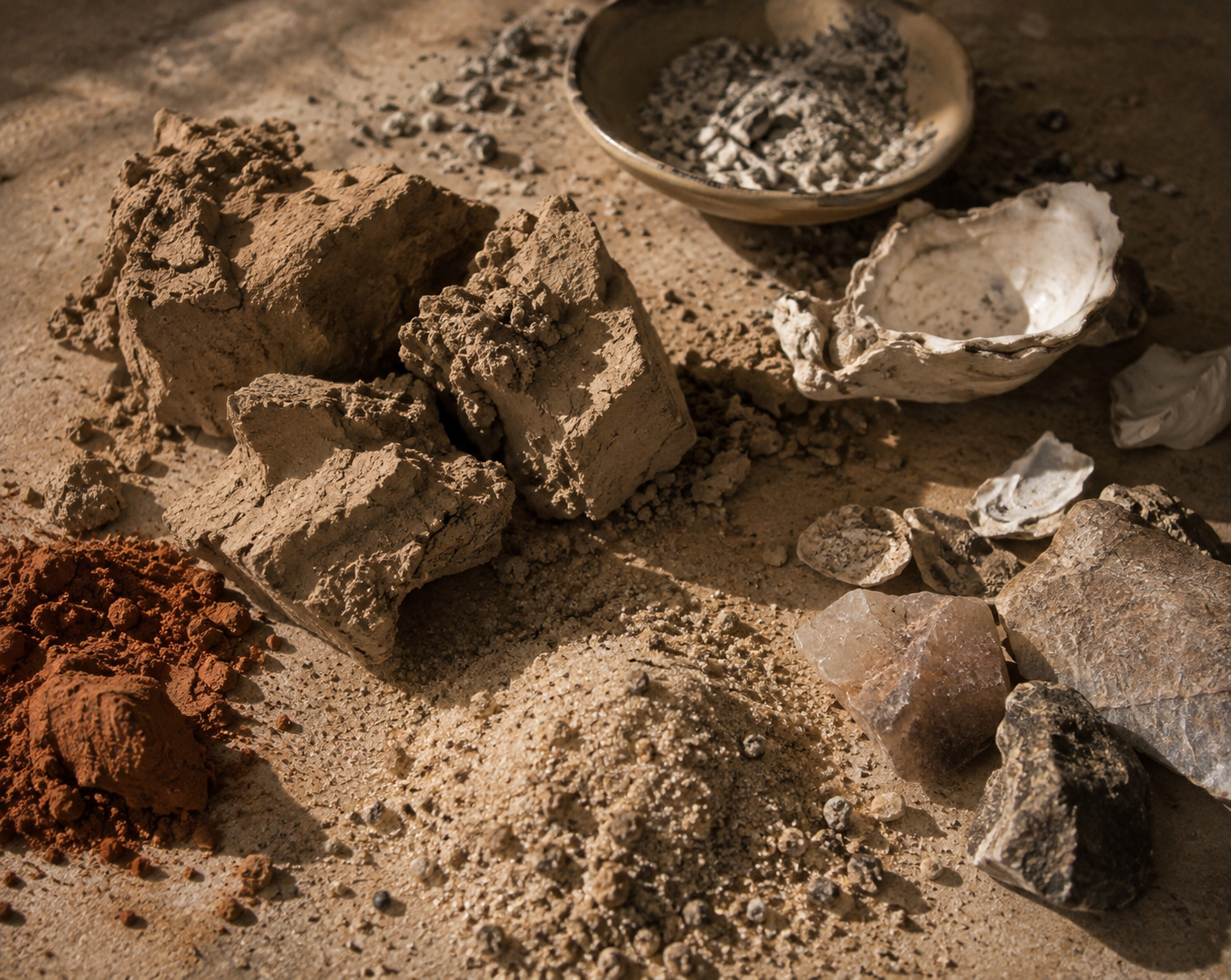
Clay, sand, stone, shell, ash and ochre bring their own histories and physical limits.
Ceramics
Being with clay
I begin without asking the clay to become a fixed idea. I pay attention to its weight, moisture, resistance and movement. A form grows through this exchange, slowly enough for the material to have a voice in what it becomes.
This way of making is intuitive and deliberate. My hands carry knowledge built through repetition, yet each piece asks for a fresh response. I stay close to what is happening and allow the form to develop through contact.
The finished object keeps evidence of that encounter. Pressure, joins, irregular edges, movement and small changes remain visible. These marks stay as part of the work’s life.
Attention
Clay carries its own conditions. It can be soft, dry, gritty, yielding or unexpectedly strong. Listening means noticing those conditions and allowing them to guide the next movement. Sometimes the work opens easily. Sometimes it resists, collapses or changes direction.
I am interested in that point where control loosens and attention becomes sharper. Uncertainty is active. It asks me to remain present, to work with care, and to recognise when a form has found its own balance.
The practice is grounded in this direct physical exchange. Hands, body, water, gravity and time are all present. Thought becomes quieter. The work continues through observation and response.
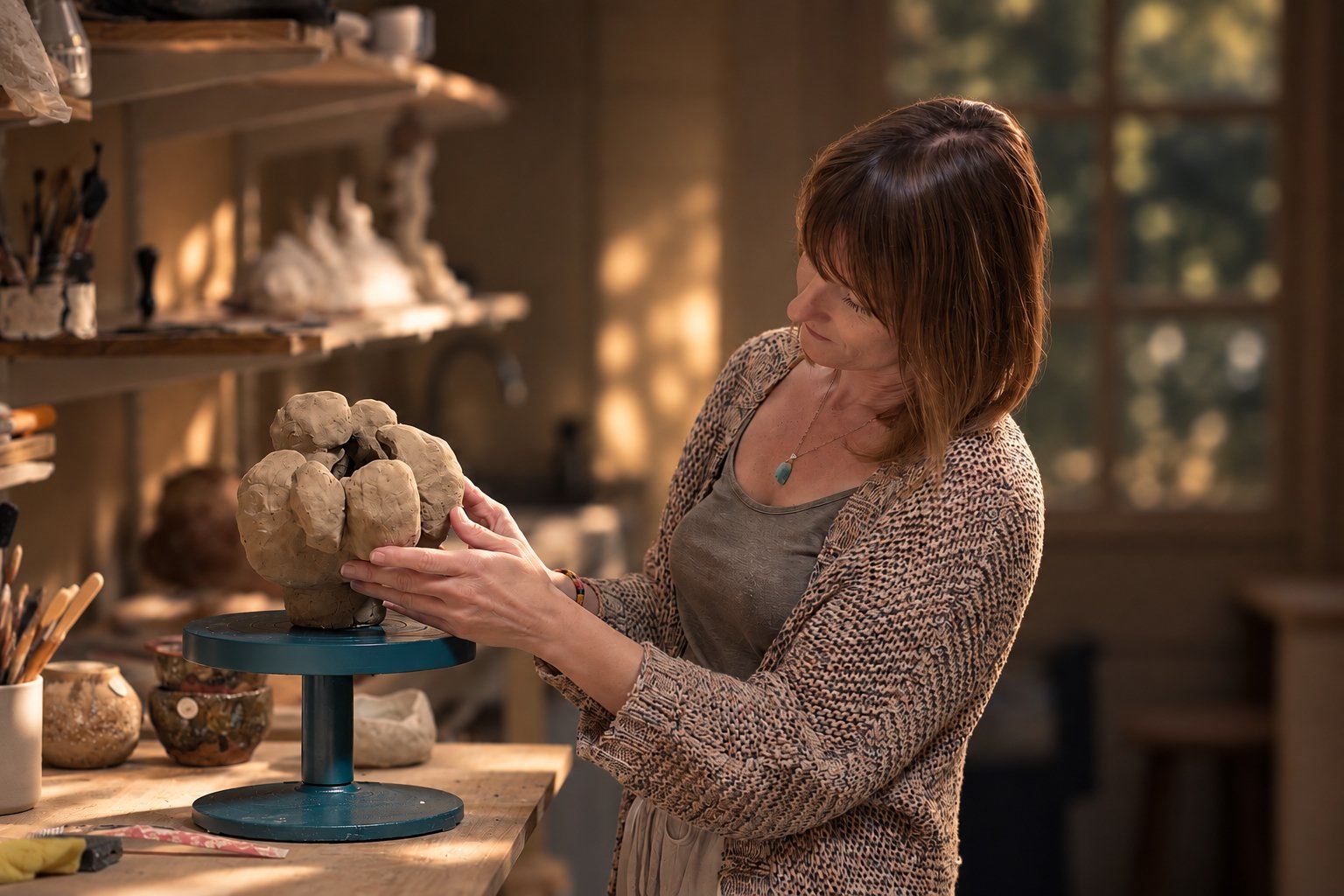
“The work emerges through attention to what is already here.”
Material language
I work with prepared clays and locally gathered wild clay, along with sand, ash, shells, ochre and other mineral or found materials when they belong to the particular work. Each material brings colour, texture and behaviour into the form itself.
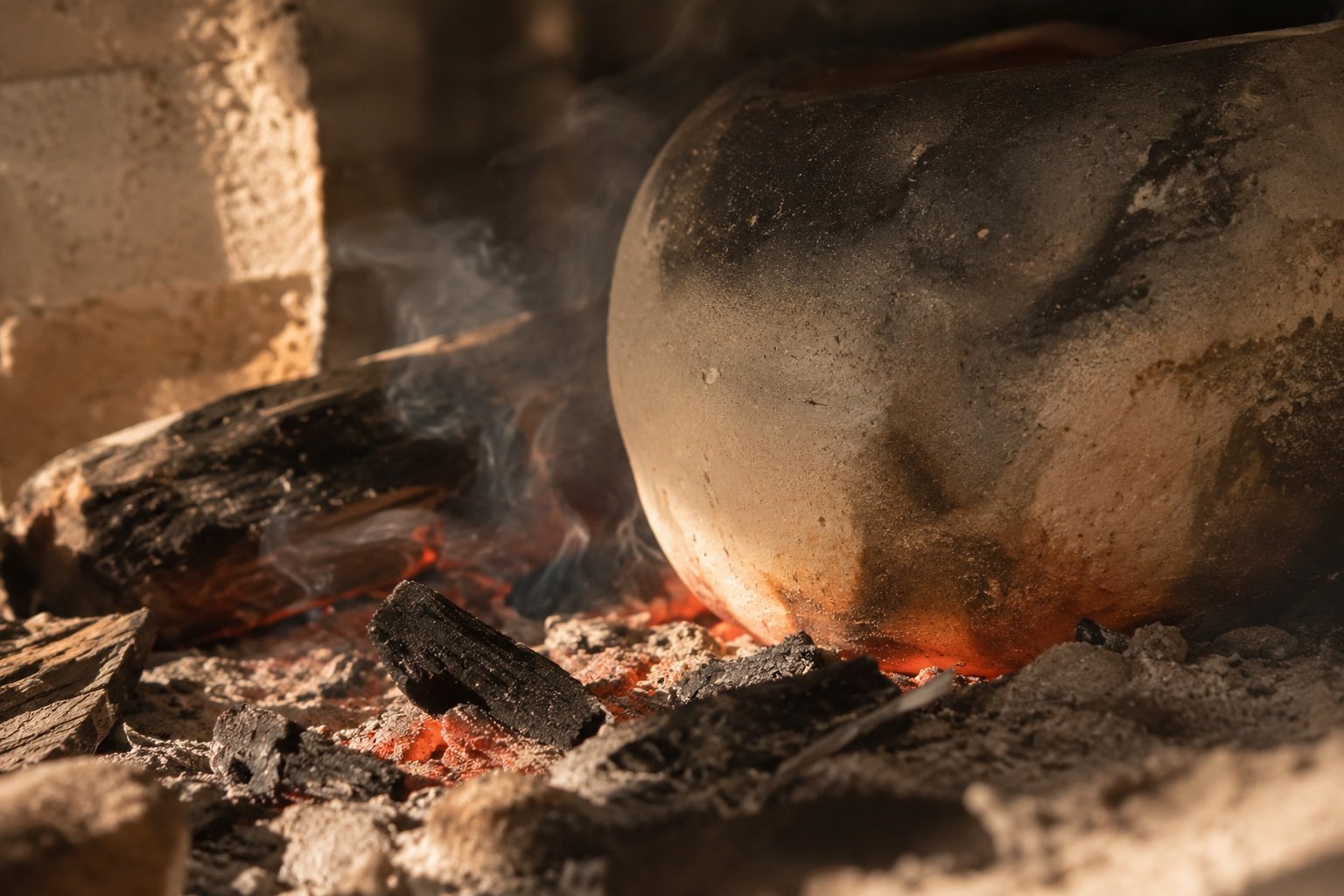
Firing continues the making beyond my hands. Conventional kilns, smoke, pits and barrels create different conditions for transformation. Heat can deepen colour, soften an edge, mark a surface or reveal something that could not be fully predicted beforehand.
Clay, sand, stone, shell, ash and ochre bring their own histories and physical limits.
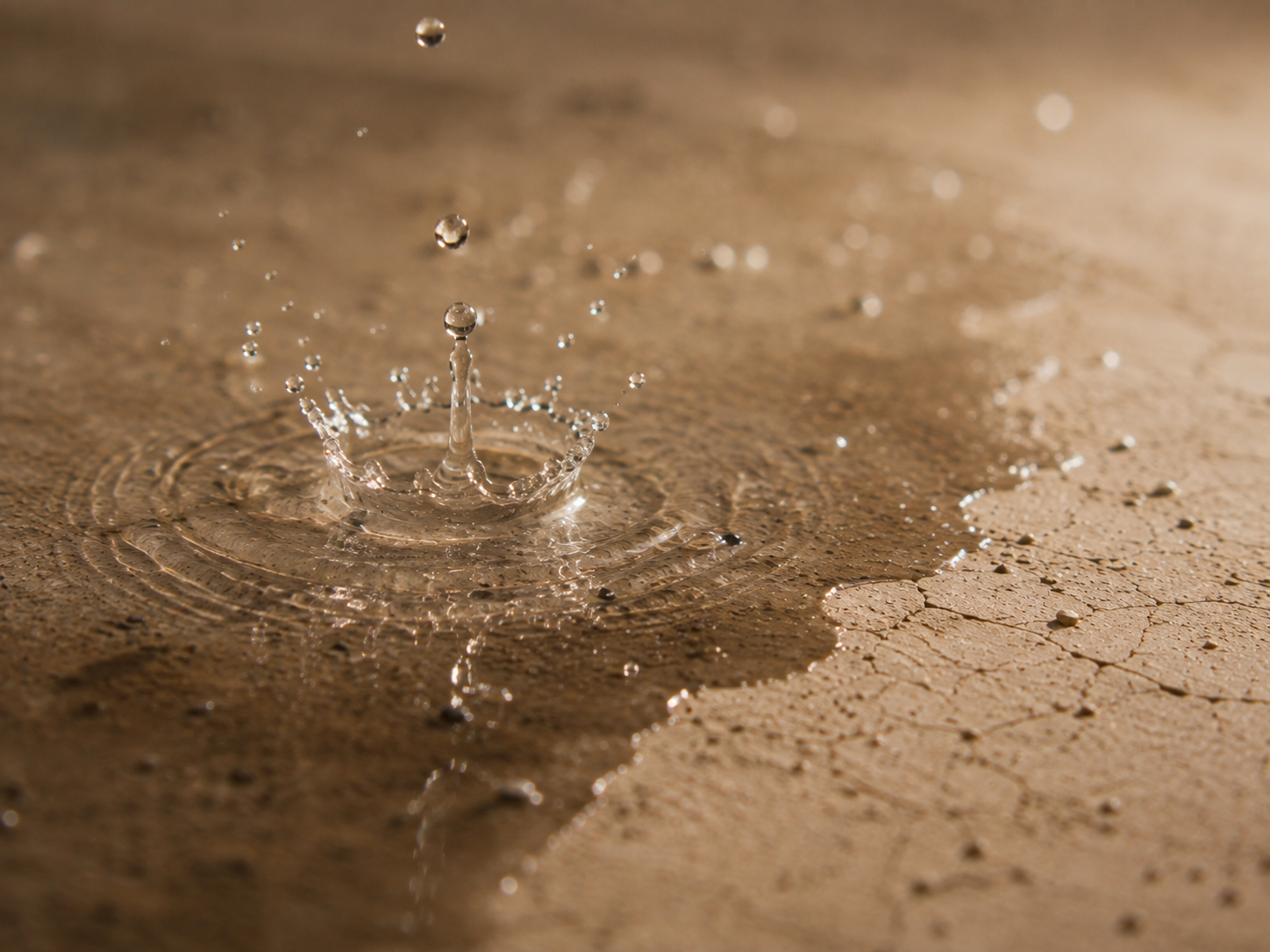
Moisture changes strength and movement. Drying records time across the surface.
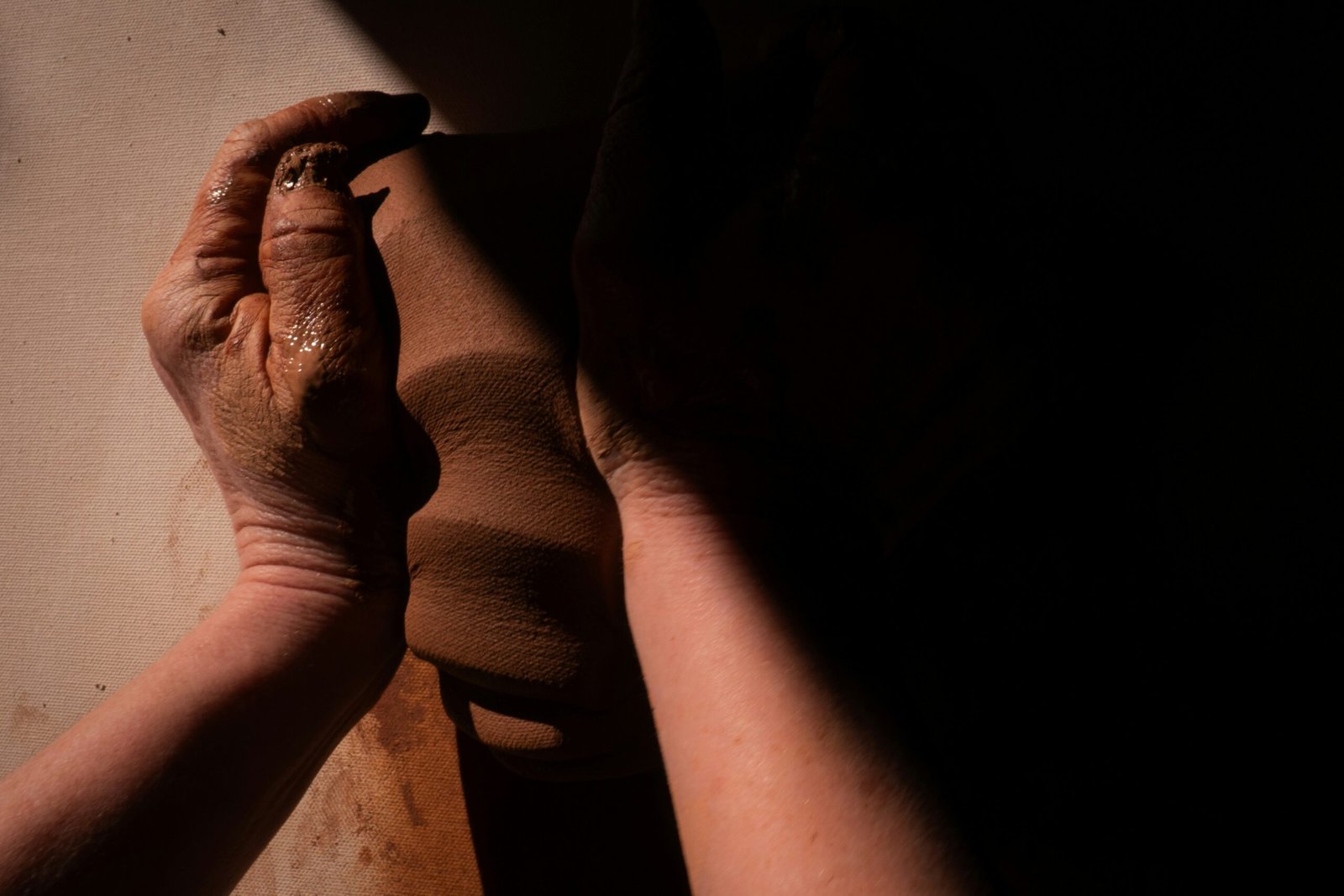
Touch leaves pressure, rhythm and decisions visible in the finished form.
Fire transforms material through chemistry, atmosphere, smoke and chance.
“No thought”
For me, “no thought” is a way of quieting the urge to control the outcome before the work has begun. Intention becomes grounded in direct attention.
It creates room for close attention. I can notice what the clay is doing, what my hands are doing, and what the form needs next. Decisions arise from contact with the material and the present moment.
This state can feel like flow. The separation between thinking and making becomes less pronounced. The work develops through a clear, embodied responsiveness that has grown through practice.
I value the honesty this allows. A piece can hold tension, imbalance, fragility and quietness. It can remain open enough for another person to meet it in their own way.
Landscape and repair
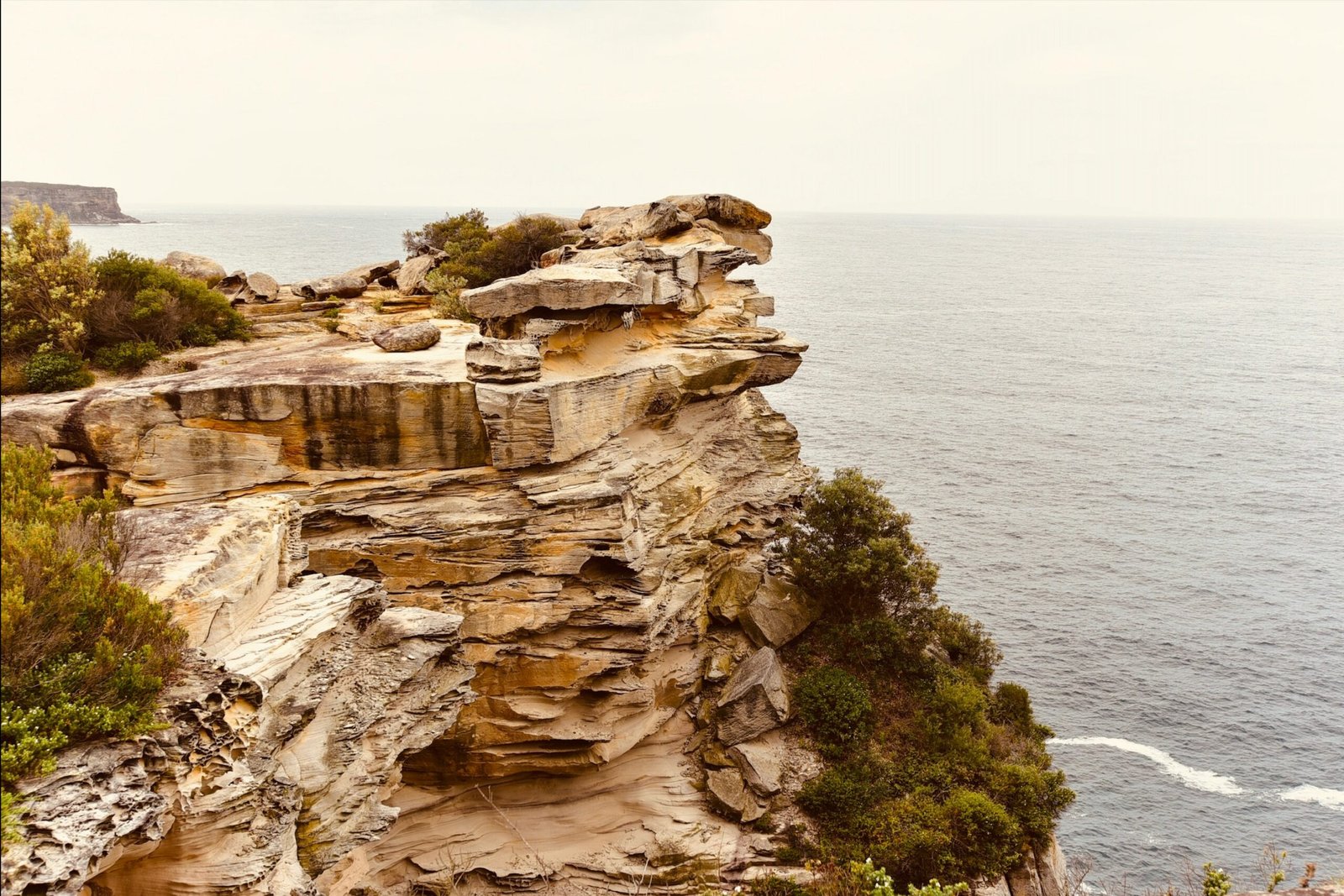
Living near Pittwater shapes the way I notice material. Erosion, mineral colour, changing water, weathered surfaces and the movement of light enter the work through feeling and process. The landscape enters indirectly through rhythms that have become part of how I see.
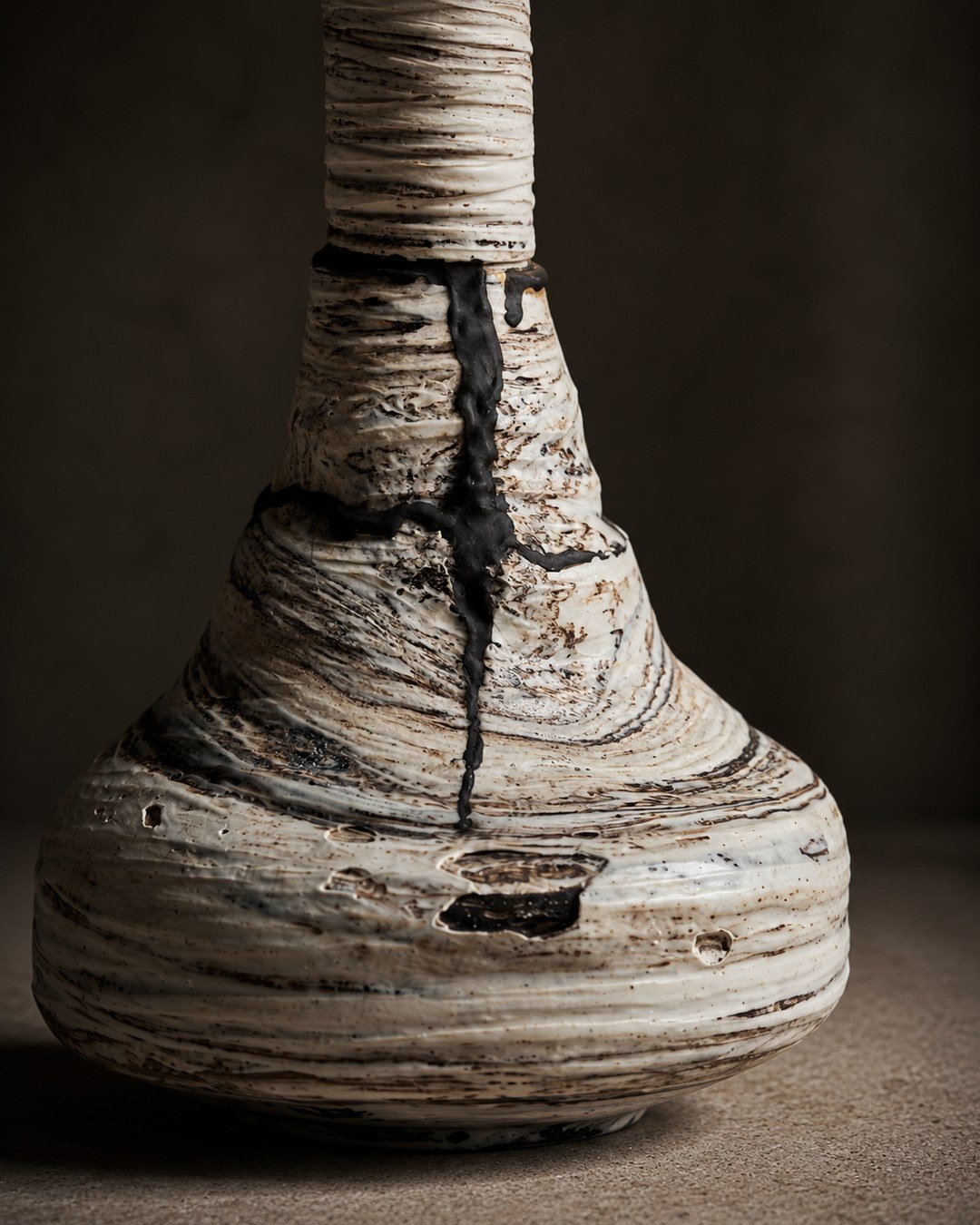
Breakage and repair also belong to the practice. A crack can end a piece, change it, or become part of its continuing story. When a repair remains visible, it is acknowledged openly. It carries vulnerability, care and time on the surface.
The forms often sit between vessel and sculpture. Some hold water. Some are made only to hold space, shadow or attention. Each piece states its function truthfully and keeps the marks of its making close.
The work
The materials and processes change across the practice. What remains is a commitment to attention, direct experience and the life of the material. The collections gather these investigations into distinct bodies of work.