The process
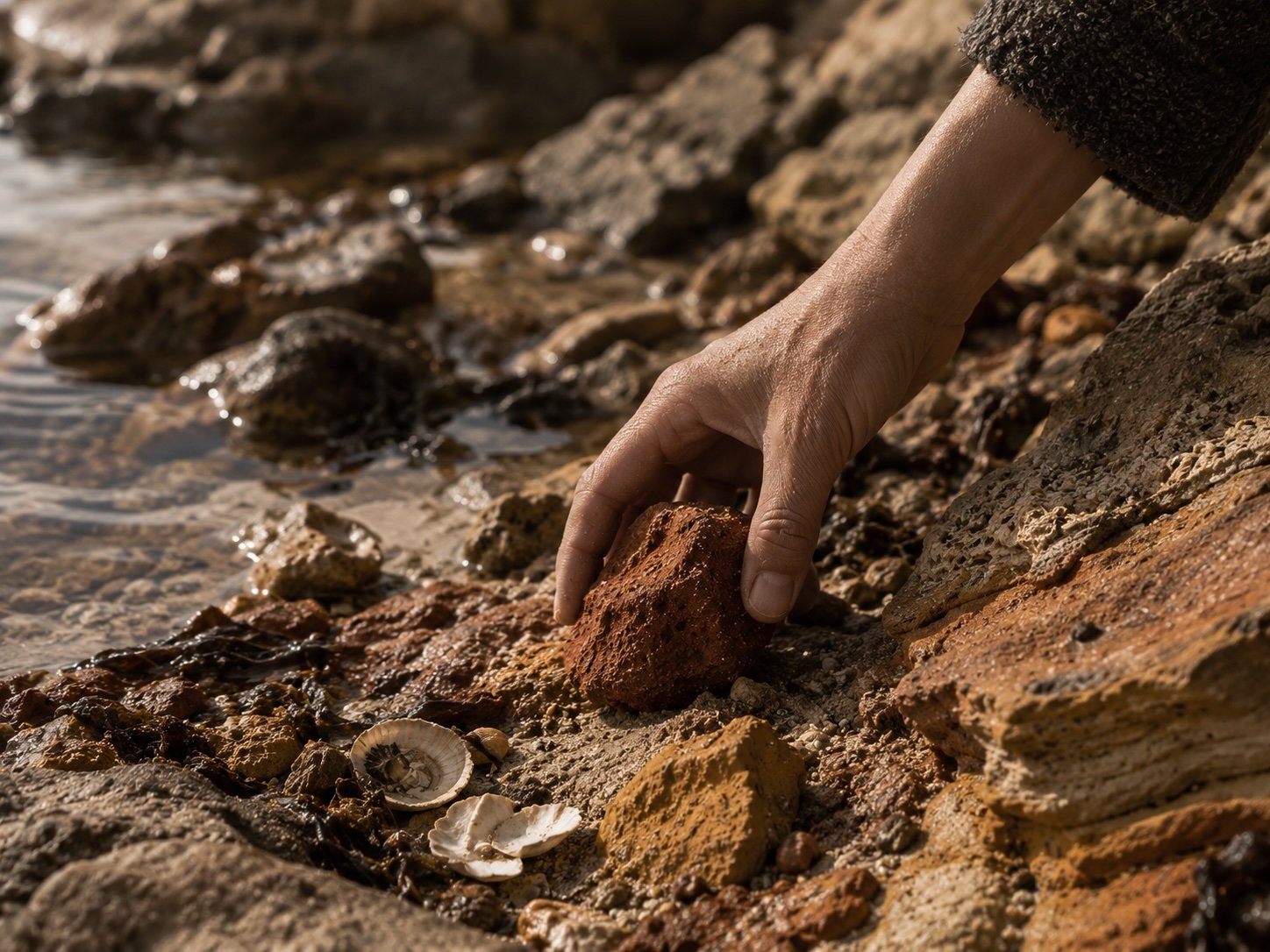
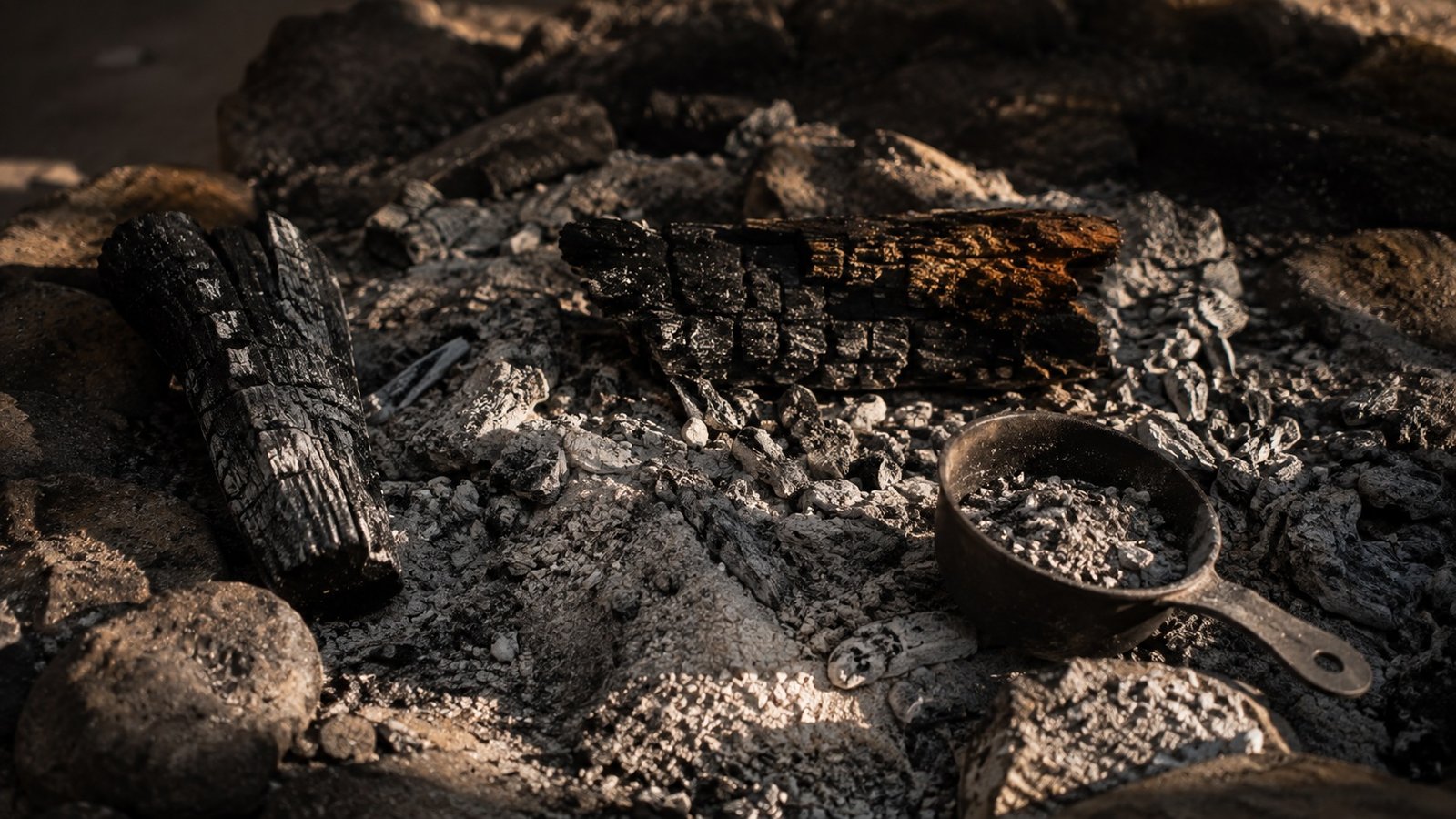
I have always gathered things from the places I move through: shells, stones, sand and fragments of earth. I am drawn to their colours and textures, but also to the question of what else they might become. Over time, that curiosity found its way into my glazes. Ash comes from fires in my own backyard, shells from the coast, rocks from places I travel through and sand from local beaches. Each carries its own mineral composition, and I rarely know exactly how it will behave until it has passed through the kiln.
Preparing these materials is a process in itself. Ash may be washed and sieved until fine, or left deliberately coarser. Rocks can be ground into powders or made into washes. Shells are first calcined, fired to around 1000°C, before becoming brittle enough to crush by hand. The materials are then crushed, sifted and mixed with water into unassuming grey and earthy suspensions, ready to be painted or poured across the clay.
Developing a glaze this way is slow and full of uncertainty. A mixture may refuse to melt, run too far or emerge dry and rough. Sometimes it produces something entirely different from what I imagined. Each firing becomes another piece of information, something to respond to, adjust and try again. And then, occasionally, everything comes together.
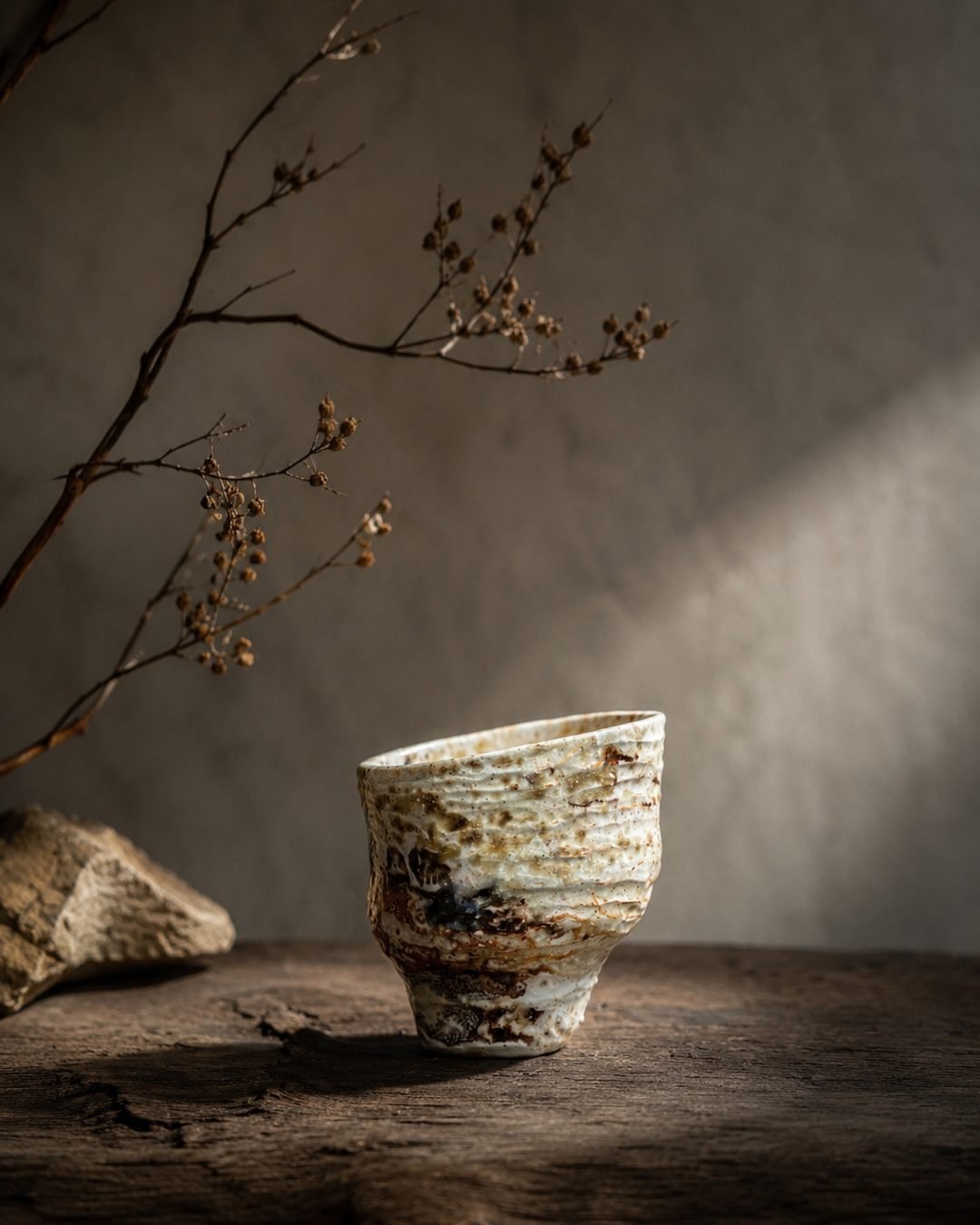
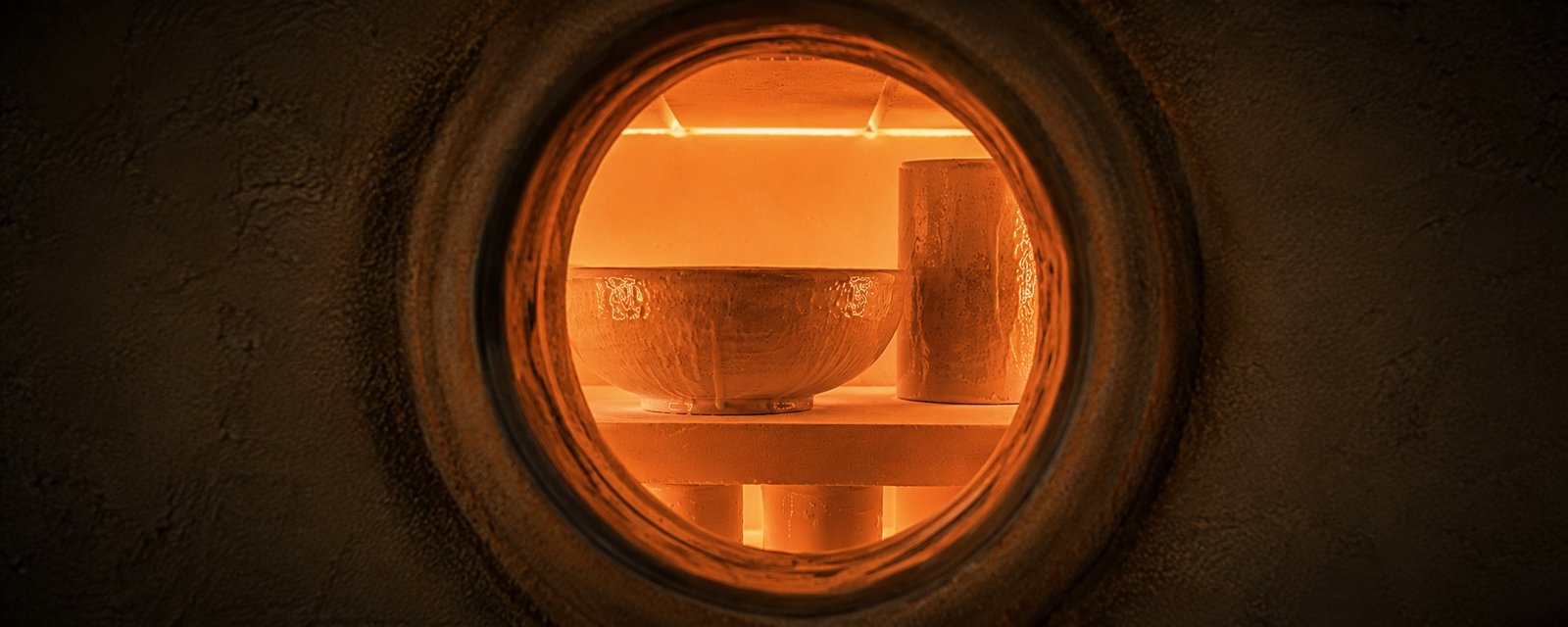
Inside the kiln, while the pots glow orange-red, a transformation begins. Minerals react, surfaces soften and silica from the sand helps form glass across the clay. Materials gathered at different moments and from different places become inseparable. Opening the kiln still feels uncertain. The dull mixture that went in has disappeared, replaced by colour, depth and movement that could not have been fully predicted. This is what compels me: working with what the earth has already made, beginning a transformation, then allowing heat and chemistry to complete something I could never entirely control.
Ash Glaze